




Abeer Al-Khatib: The Doctor Who Refused to Leave Idlib
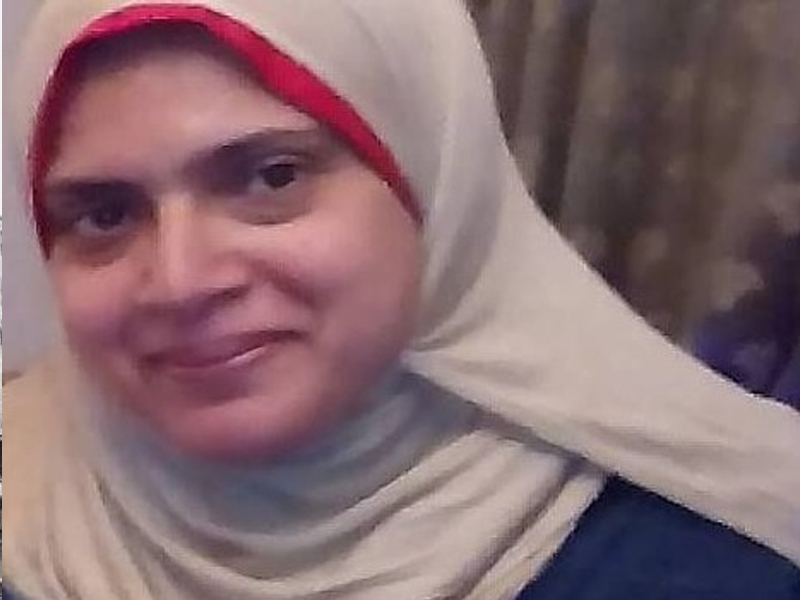
In a new episode of the series “Faces of Idlib”, we highlight the story of Dr. Abeer Al-Khatib, a physician who has become a symbol of medical and humanitarian resilience in Idlib, amid the harsh conditions the local community faces during the war.
Early Life and Background
Abeer Al-Khatib was born in Idlib in 1987 into a family that valued education and community service. From her childhood, she was keen on helping others, with an early sense that her role in life went beyond caring for herself to serving her community. In her podcast interview, Abeer says
"I used to see so many people in my father’s clinic who had no one to listen to them. I decided to become a doctor to be part of solving their problems."
After graduating from the Faculty of Medicine at Aleppo University, she returned to Idlib to work at a local hospital, before the escalation of conflict dramatically changed the city and her professional life.
Facing the War
With the outbreak of the conflict, Abeer’s work moved to the frontlines. In the episode, she describes waking up before dawn, ready to handle emergency cases:
"We would arrive at the hospital before anyone else woke up… preparing surgical tools, waiting for the first case to come in."
Abeer witnessed numerous tragedies, from bombing casualties to losing colleagues due to shortages of medicine and resources. Yet, she persevered, believing in the importance of being present among the people.
Community Role
Abeer’s impact extended beyond the hospital to civil society:
-
She established mobile ambulance teams that reached the most affected neighborhoods.
-
Organized emergency response workshops for youth and citizens to empower them in handling urgent injuries.
-
Launched a local volunteer network to secure medicines and essential medical supplies.
These initiatives made her a symbol of hope and resilience in Idlib, particularly during periods of resource scarcity and increased daily suffering.
Human Moments
One of the most poignant moments in the episode recounts a child brought to the hospital after part of his home collapsed:
"I remember a child who came from under the rubble… he was very quiet… I didn’t know if he would survive. But when we gave him a piece of bread, his eyes looked at me in a way I will never forget."
This moment became a symbol of challenge and hope in her life and that of her community, teaching her that her mission was bigger than her personal fear.
Life After Pain
Despite all difficulties, Abeer became an inspiring figure for the youth of Idlib:
-
She launched training programs for new nurses.
-
Helped establish mobile medical clinics to cover remote areas.
-
Worked to provide first aid equipment for children in schools in collaboration with local organizations.
At the end of the episode, Abeer says:
"Perhaps I would not have chosen the war… but I chose to be there, with the people I love."
Leave a Reply
Your email address will not be published. Required fields are marked *
Search
Category